Ending the Recipe Scroll-Back Problem
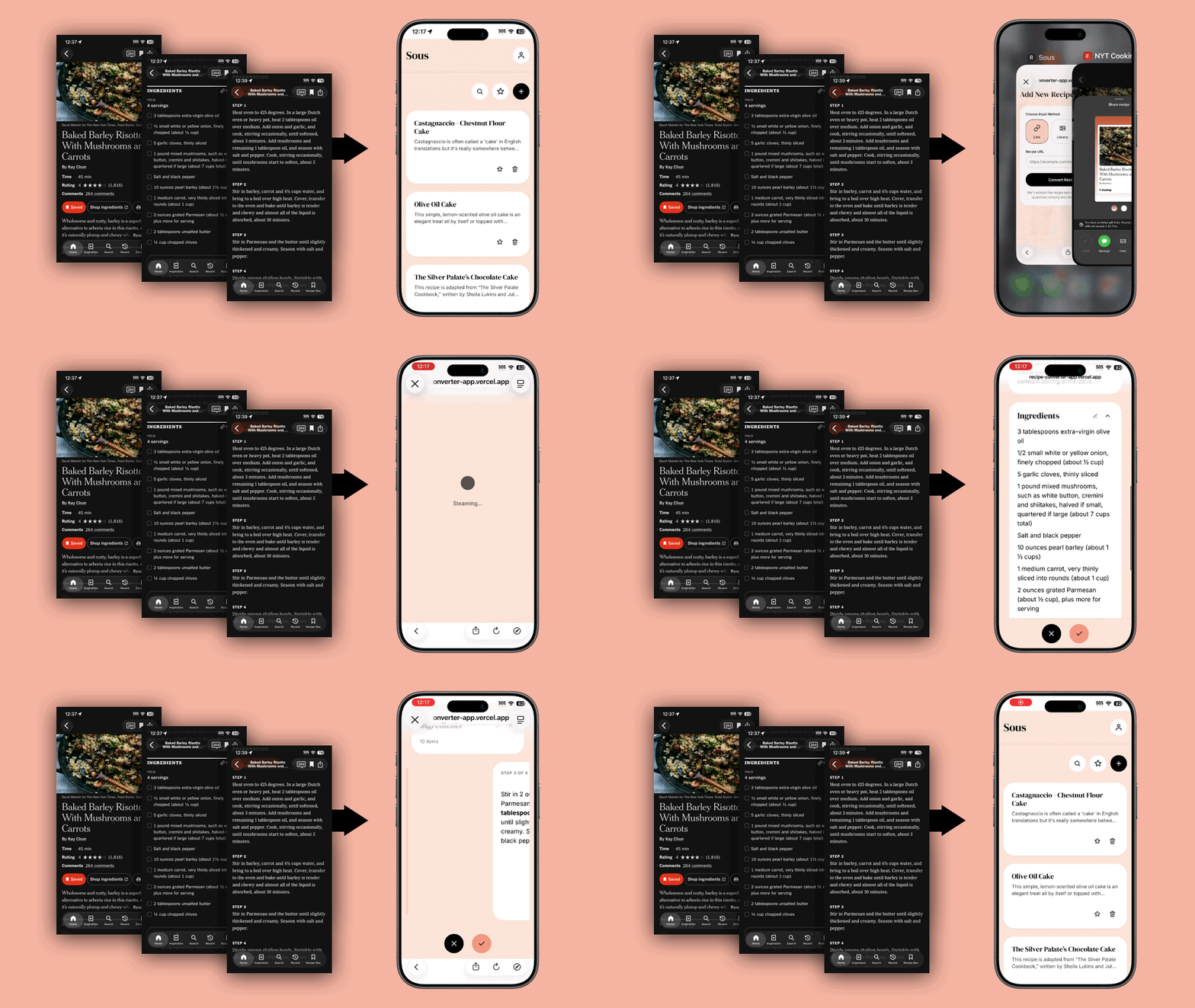
You know the feeling: mid-recipe, hands covered in flour, scrolling back up from the steps to check how much butter you need. Sous fixes that. It reads instructions aloud, with exact quantities dropped right into each step. Also my excuse to get hands-on with full-stack AI development.
- Role
- End-to-End Product Lead (Conception, UX/UI Design, Full-Stack AI Development)
- Date
- 2026
- Team
- Independent Experiment
The Impact
The goal was to eliminate context-switching while cooking. By deploying a functional prototype, I connected image recognition, language models, and text-to-speech to build a hands-free experience. The process of mapping this out with AI coding assistants demystified the backend and turned a frustrating kitchen problem into a tangible tool.
Key Outcomes
-
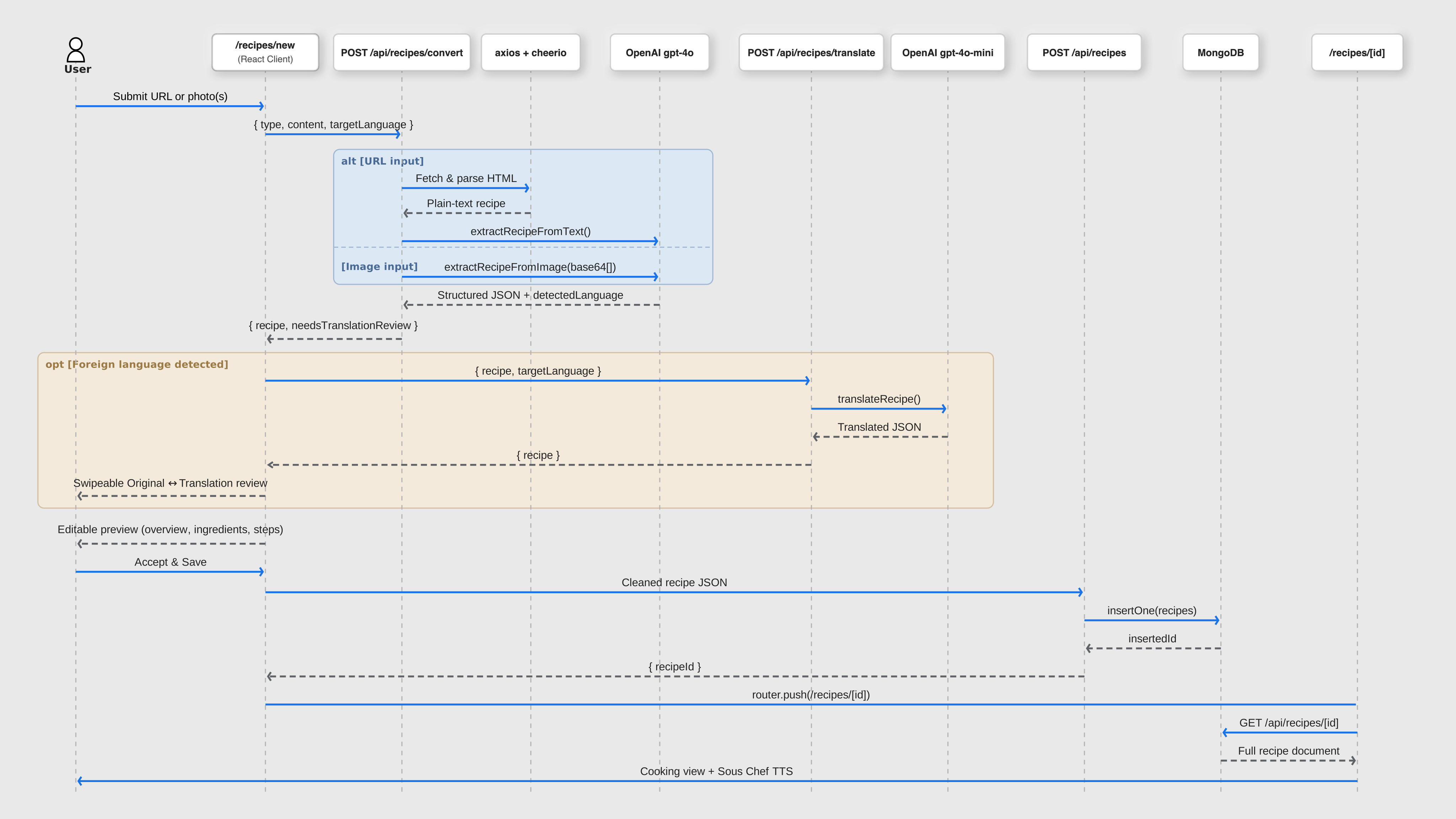
Shipped a Working Prototype: Built and deployed an app with custom email/password authentication, a live database (MongoDB), and a generative AI pipeline.
-
Proved the Core Utility: By combining image recognition to read cookbooks, language models to parse text, and audio readout, the app successfully removes the need to constantly re-read recipes with dirty hands.
-
Held the MVP Line: Killed ‘nice-to-have’ ideas like Google Auth and social recipe sharing. I focused entirely on the most essential hurdle: accurately extracting messy recipe data from arbitrary URLs or physical cookbooks.
The Problem
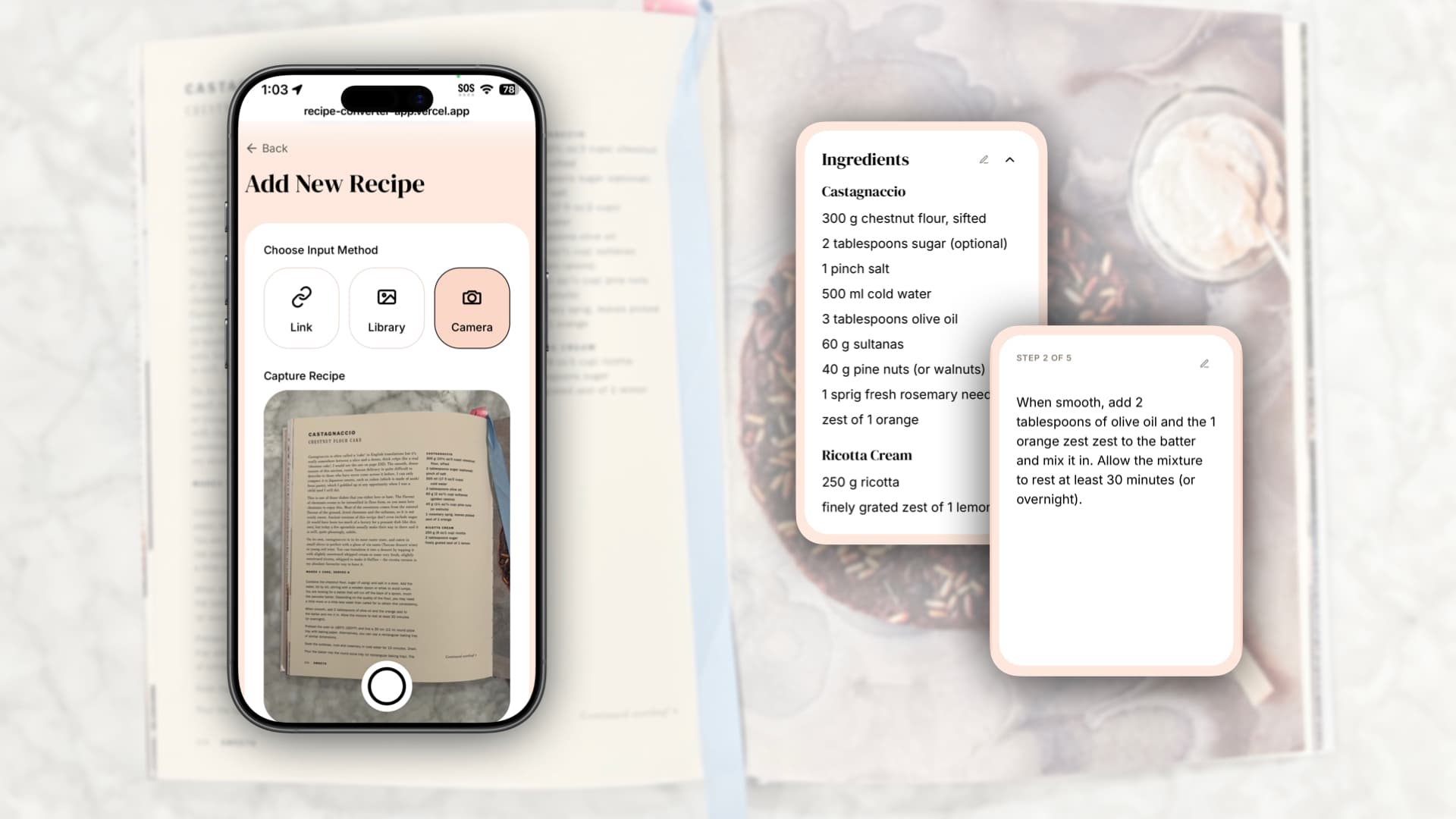
Traditional recipes place ingredients at the top and instructions at the bottom, forcing you to constantly scroll, check quantities, and lose your place. When your hands are covered in flour, this interaction model fails. As a hobby cook, I set out to solve this friction for myself by experimenting with AI development tools I previously hadn’t had access to.
Approach
Treating myself as the initial target user allowed for rapid, opinionated engineering calls. I focused entirely on the core utility: reliable recipe extraction. If the AI couldn’t accurately inject the exact ingredient quantities into the right steps, the app was useless.
Key Decisions I Shaped
Building the stack from scratch forced me to make hard trade-offs to get a working product out the door.
-
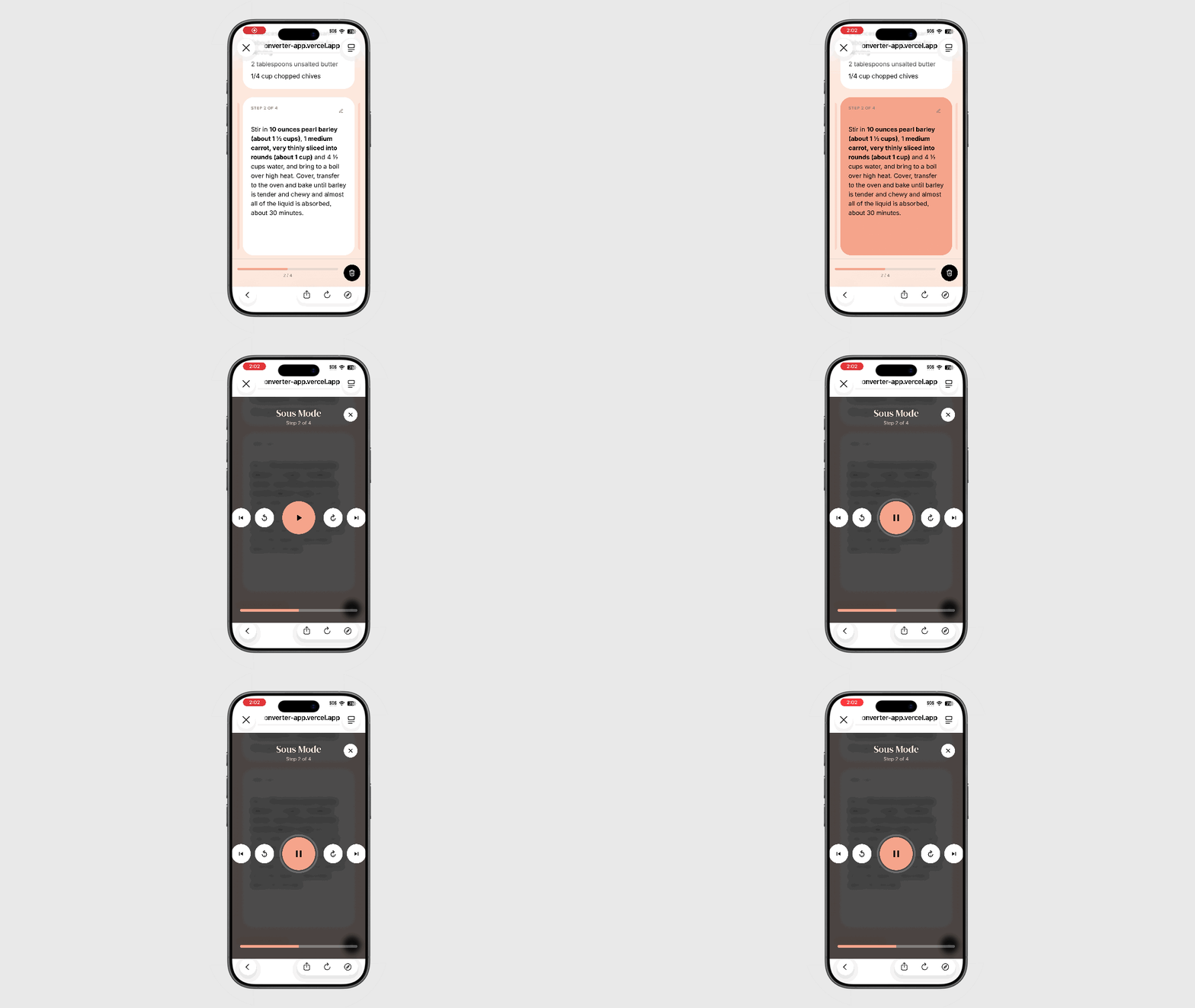
Killing two-way voice to save the core engine: I originally wanted a conversational UI so users could tell the app to pause, slow down, or repeat a step. But interacting with the recipe didn’t matter if the initial text extraction failed. I shelved the voice AI. Instead, I built a massive, visually obvious button for a tactile long-press. This kept the engineering focused solely on the extraction pipeline.
-
Prioritizing reliable output: I started with lightweight language models to keep the build lean. When they hallucinated ingredient amounts, I swapped to a higher-tier backend. A cost-effective prototype felt useless if the MVP experience wasn’t trustworthy.
Learnings
-
Building empathy for the implementation layer: Building the entire stack myself, I gained a much better understanding of engineering constraints. Exploring the mechanics behind API calls, latency, and data storage through sheer curiosity changes how I collaborate with developers.
-
Protecting the core job-to-be-done: It’s easy to get distracted by flashy features. Shelving the secondary ideas forced me to solve the actual user goal: getting the right amount of ingredients into the right step so cooking is more fun. No context switching!
© 2026 Ido Mor. All rights reserved.